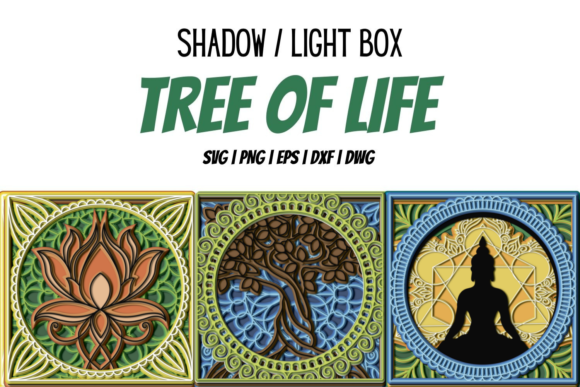
3D Tree of Life 1 Layered SVG Cut File Review
As a designer who has spent years navigating the intersection of digital files and physical textiles, I approach every new asset with a critical eye. The market is flooded with generic patterns, but finding a machine embroidery design that balances aesthetic depth with technical simplicity is rare. Recently, I evaluated the 3D Tree of Life 1 Layered SVG Cut File to see if it holds up under the scrutiny of real-world production. While this file is technically categorized for cutting machines like Cricut Design Space and Silhouette Designer Edition, its potential as a foundational element for hybrid craft projects—specifically within Shadow Boxes and layered textile art—is significant. This review breaks down how this specific digital embroidery file performs when translated from a screen into a tangible, sellable product.
First Impressions: Depth in a Single Layer
The initial visual impact of the 3D Tree of Life 1 Layered SVG Cut File is deceptive. At first glance, the silhouette appears straightforward, yet the "3D" moniker suggests a level of dimensionality that demands careful handling. In my experience, true depth often comes from layering multiple cuts or utilizing complex stitch densities. With this being a single-layered 3D SVG, the magic lies in the shape itself. The branches and roots are organic and flowing, avoiding the rigid, geometric look that plagues many mass-produced assets. For an Etsy seller or small shop owner looking to create a statement piece without the complexity of multi-step applique, this design offers a clean, modern interpretation of a classic motif.
When I opened the zipped folder containing the svg, dxf, png, and eps formats, the clarity of the vector lines was immediately apparent. This is crucial for any craft business relying on precision. Whether you are using Make the Cut MTC or importing into a design suite to prepare for stitching, the integrity of the curves ensures that your final output won't suffer from jagged edges or lost details. However, because it is a single layer, the "3D" effect relies heavily on the materials you choose to pair it with, such as shadow box backing or contrasting fabric layers.
Real-World Application: From File to Finished Product
To truly test the viability of this asset, I imagined a specific project scenario: creating a high-end, personalized tote bag design for a boutique client. The client wanted something that felt earthy and spiritual but modern enough for daily use. Using the 3D Tree of Life 1 Layered SVG Cut File as the base for a cut-out applique, I could visualize the process clearly. By cutting the tree from a textured linen and adhering it to a canvas tote, then adding hand-stitched or machine-embroidered accents around the perimeter, the single layer transforms into a multi-dimensional focal point.
This approach works exceptionally well for custom apparel like sweatshirts and baby embroidery items where heavy thread density might be uncomfortable against the skin. Instead of filling the entire tree with dense fill stitch, which can stiffen the fabric, the cut-file method allows the natural texture of the material to shine through. For holiday gifts or wedding favors, this technique reduces production time significantly while maintaining a premium look. The versatility of the included file formats means you can easily scale the design for a tiny embroidered patch or a large wall hanging without losing resolution.
In the realm of Shadow Boxes, this design becomes even more powerful. A 3D SVG cut from wood veneer, felt, or thick cardstock, when placed over a patterned background within a deep frame, creates genuine depth. The interplay of light and shadow between the single layer and the background mimics the complexity of a much more intricate design. This is a strategic move for small shop products aiming to offer unique home decor without the overhead of complex manufacturing.
Navigating Technical Challenges and Fabric Choices
While the 3D Tree of Life 1 Layered SVG Cut File is versatile, it is not without its constraints. As a professional, I must advise caution when working with certain materials. On thin or highly stretchy fabrics, a large, single-layer cutout can distort if not properly stabilized. If you attempt to adapt this for sweatshirt embroidery by converting the outline to a satin stitch border, ensure you use a strong stabilizer. Without it, the tension of the stitching could cause the knit fabric to pucker, ruining the organic flow of the branches.
Texture also plays a pivotal role. On rough fabric texture like denim or heavy wool, the fine details of the tree's smaller twigs might get lost if you are attempting to stitch them directly. In these cases, the cut-file approach is superior. Conversely, on dark fabrics, a single white or light-colored layer might lack the definition needed to stand out unless paired with a contrasting backing. Always test your thread colors or material contrast on a scrap piece before committing to the final product. The goal is to ensure the finished product maintains visual clarity and does not appear muddy or indistinct.
Design Notes for Commercial Success
For those looking to turn this asset into a revenue stream, there are several practical steps to ensure quality and professionalism. First, always test the design on scrap fabric or paper to verify the scale. What looks perfect on a monitor might be too large for a cap or too small for a pillow cover. Second, review the stitch density if you are adapting the outline for embroidery; dense areas can lead to puckering, while sparse areas may not hold their shape.
Consider the end-user's perspective. A personalized gift needs to feel special, and the presentation matters. When selling items featuring this design, invest in high-quality printable mockups that show the product in context. Show the tote bag on a shoulder, or the shadow box on a mantle. This builds customer trust and helps buyers visualize the value. Furthermore, check the licensing terms carefully. While the download includes standard formats, confirm whether the license permits selling finished goods or just personal use. Many digital product sellers overlook this, leading to legal issues down the line.
Final Verdict on Value and Versatility
The 3D Tree of Life 1 Layered SVG Cut File is a solid addition to any creative entrepreneur's library. It bridges the gap between simple cut files and complex embroidery designs, offering a streamlined path to creating high-value items. Its strength lies in its simplicity, allowing makers to focus on material selection and composition rather than wrestling with complicated stitch paths. Whether you are crafting a delicate tea towel, a bold commercial embroidery piece, or a heartfelt holiday embroidery gift, this design provides a reliable foundation.
Ultimately, the success of this project depends on your execution. By respecting the limitations of the single-layer format and leveraging the right materials and techniques, you can create a handmade product that stands out in a crowded marketplace. It is a testament to the idea that sometimes, less is more, provided the design intent is clear and the craftsmanship is precise. For designers seeking efficiency without sacrificing style, this asset is definitely worth a closer look.