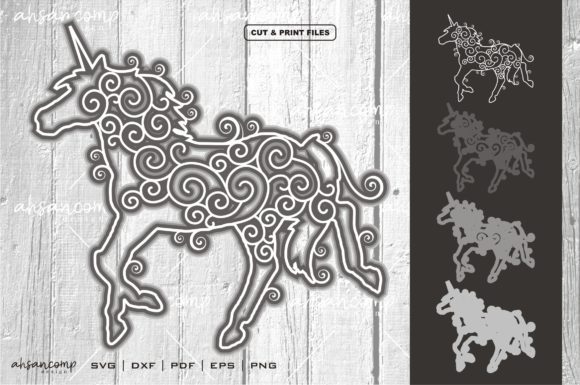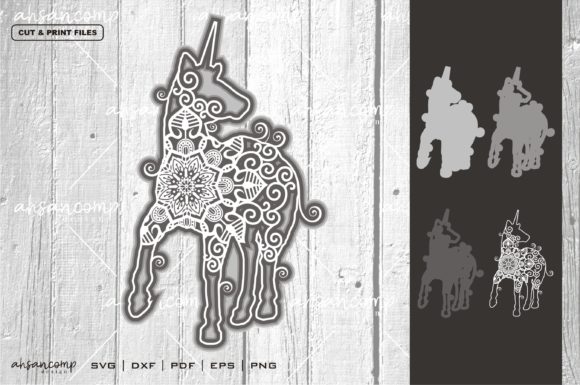
Unicorn Mandala Vector 3D Layered 6 Review
A Designer's First Look at the Unicorn Mandala Vector 3D Layered 6
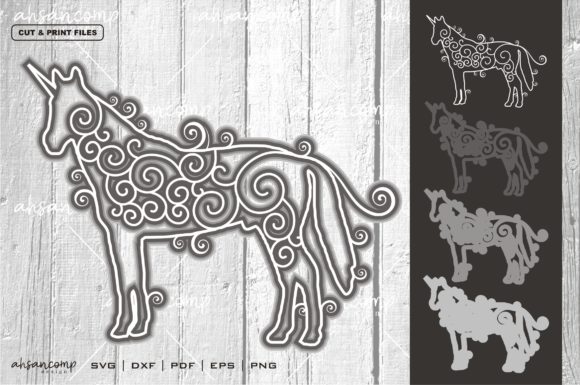
As someone who has spent years navigating the intersection of digital art and physical stitching, I approach every new machine embroidery design with a mix of excitement and skepticism. When I first opened the files for Unicorn Mandala Vector 3D Layered 6, my immediate reaction was to assess its potential beyond the screen. This is not just another generic unicorn motif; it carries a distinct visual weight. The mandala structure suggests symmetry and balance, while the layered concept hints at depth that could translate beautifully into a tangible handmade product. However, as an experienced reviewer, I know that what looks perfect in a vector preview can behave very differently under the needle.
The mood this design evokes is whimsical yet sophisticated. It moves away from the cliché "baby pink" aesthetic often associated with unicorns and leans toward something more intricate, suitable for a boutique brand or a high-end personalized gift. The geometric precision of the mandala combined with the organic curves of the unicorn creates a dynamic tension. For an Etsy seller or a small shop owner looking to differentiate their inventory, this kind of visual complexity is exactly what draws the eye in a crowded marketplace. But before I commit this to a client project, I need to understand how it performs in the real world.
Translating Digital Layers to Stitched Reality
Let's imagine a specific scenario: I am preparing a custom embroidered tote bag for a local craft fair. The goal is to create a statement piece that feels premium but remains durable enough for daily use. I load the embroidery file for Unicorn Mandala Vector 3D Layered 6 into my software. The first thing I notice is the layering strategy. In a 3D SVG context, these layers are meant to be cut and stacked, but for embroidery, they represent stitch sequences.
If I were to adapt this for a tote bag design, the challenge lies in managing the stitch density. A mandala pattern naturally invites dense fill stitches to maintain its shape. On a sturdy canvas tote, this works well, provided the backing is robust. However, if I were attempting this on a soft cotton sweatshirt for sweatshirt embroidery, the heavy density could cause puckering. The design demands a careful balance between the delicate running stitch details of the unicorn and the heavier fill stitch areas of the mandala background.
For a baby embroidery project, such as a onesie or a blanket, the texture becomes critical. Parents want softness against a baby's skin. If the Unicorn Mandala Vector 3D Layered 6 results in a stiff patch due to excessive thread buildup, it might fail the comfort test. I would likely need to adjust the stitch count or opt for a lighter thread weight to ensure the finished product remains cozy. Conversely, for a holiday gift like a pillow cover, the rigidity adds a nice structural element that helps the design pop against the fabric.
Navigating Fabric Challenges and Hoop Constraints
Not every fabric plays nice with complex geometry. When evaluating where Unicorn Mandala Vector 3D Layered 6 should be used carefully, I immediately think about textured fabrics and stretchy materials. Knits and jerseys can distort the symmetry of a mandala if not properly stabilized. The hoop size is also a major factor here. A design of this intricacy likely requires a medium to large hoop to capture all the details without crowding. Attempting to shrink this design for a small cap or a tiny pocket on a denim jacket would likely result in lost detail and muddy stitching.
Curved surfaces present another hurdle. If you are considering this for a baseball cap, the curvature can throw off the registration of the layers. The applique design elements, if included, might not lay flat on a rounded brim. Similarly, dark fabrics require significant attention to thread colors. While the design might look stunning in white on black, the contrast needs to be sharp enough to define the mandala's inner patterns. Without proper planning, the fine lines could disappear into the background, ruining the visual appeal.
Furthermore, products that undergo frequent washing, like kitchen towels or aprons, demand a review of the stitch density. High-density areas are prone to cracking over time if the stabilizer isn't up to the task. For a custom apparel line intended for everyday wear, I would advise testing the design on scrap fabric first. Run a few wash cycles to see how the threads hold up. This simple step can save a business from returning defective merchandise.
Boosting Brand Value and Customer Trust
In the competitive world of commercial embroidery, the quality of your design assets directly impacts customer trust. A well-executed version of Unicorn Mandala Vector 3D Layered 6 signals professionalism. It shows that the maker cares about detail and understands the nuances of textile art. When a customer holds a finished product where the layers are crisp and the stitching is smooth, they perceive higher value. This is crucial for building a loyal following for a craft business.
However, using this design also affects brand consistency. If your shop usually features bold, block-letter logos, introducing a highly detailed mandala might feel out of place unless curated correctly. It is best suited for collections focused on fantasy, nature, or bohemian aesthetics. For an Etsy seller, this design could serve as a flagship item for seasonal promotions, particularly around spring or summer when whimsical themes sell well. It also works exceptionally well for personalized gifts where the recipient appreciates unique, artistic touches rather than mass-produced graphics.
The visual clarity of the design also enhances buyer engagement in digital spaces. When creating printable mockups for your online store, the intricate details of the mandala can make your product photos stand out. Just remember that the mockup is only an illustration; the actual digital download must deliver the same promise. Customers today are savvy; they can tell the difference between a high-quality stitch-out and a rushed job.
Practical Notes for the Embroidery Professional
Before integrating Unicorn Mandala Vector 3D Layered 6 into your workflow, there are several practical steps to take. First, always confirm the licensing terms. Since this is a digital download, you must verify if you have the right to sell the finished items or if there are restrictions on commercial use. Never assume; check the documentation provided with the file.
Second, perform a test run on a scrap piece of the exact fabric you intend to use. Check the thread color contrast under different lighting conditions. What looks vibrant on your monitor might appear dull on the final material. Inspect the small details closely; sometimes, the finest lines in a mandala get lost in the stitching process and need to be simplified or removed entirely.
Third, invest in the right stabilizer. For a design with this much detail, a tear-away might not be enough. Consider a cut-away or a water-soluble option depending on the fabric type. Finally, test the design in black and white mockups to ensure the tonal values work before committing to expensive thread purchases. By taking these precautions, you ensure that Unicorn Mandala Vector 3D Layered 6 becomes a star asset in your portfolio rather than a source of frustration. Whether you are making a single embroidered patch or launching a full collection, thoughtful preparation is the key to success.