3D Fairy SVG Cut File: A Designer's Review
As a designer who has spent years navigating the intersection of digital assets and physical craftsmanship, I approach every new file with a critical eye. The market is flooded with generic shapes, but finding a 3D Fairy SVG Cut File that translates well from a screen to a finished product requires careful scrutiny. When I first opened the download folder containing the svg, dxf, png, and eps formats, my immediate thought was about versatility. This isn't just another clip art; it is a potential centerpiece for a high-end handmade product line or a charming personalized gift.
First Impressions: Visual Depth and Design Intent
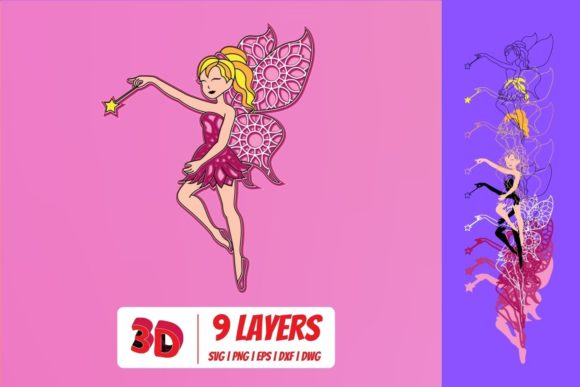
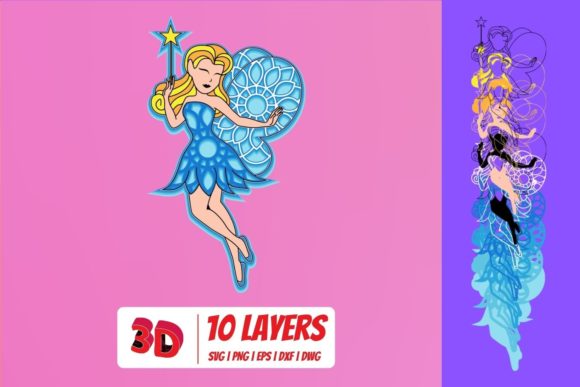
The moment you view the 3D Fairy SVG Cut File in your design software, the intent becomes clear. Unlike flat vector graphics that can look lifeless when stitched, this design leverages layering to create a sense of depth. The fairy figure is constructed with overlapping elements that suggest wings fluttering above a dress, a technique that works beautifully in both vinyl cutting and machine embroidery contexts. For an Etsy seller looking to elevate their shop aesthetic, this visual personality is crucial. It moves away from the cartoonish and leans into something slightly more whimsical and sophisticated.
In the context of Shapes, this file stands out because it breaks the silhouette barrier. It invites the crafter to think about how light and shadow interact on fabric. If you are planning a sweatshirt embroidery project, the layered nature of the 3D effect means you will need to plan your thread colors carefully to maintain that illusion of depth. A flat satin stitch might kill the dimension, whereas a mix of fill stitch and running stitch could bring the fairy to life.
Real-World Application: From Digital to Tactile
Let's talk about a real scenario. Imagine you are preparing a custom embroidered tote bag for a local craft fair. You want something that catches the eye from across the room. Using the 3D Fairy SVG Cut File as your base, you would likely convert the layers into separate embroidery blocks. On a sturdy canvas tote, the density of the design holds up remarkably well. The wings, often the most delicate part of such designs, require a specific approach. If you use a standard fill stitch, ensure the stitch density isn't too tight, or the fabric might pucker, ruining the flow of the fairy's movement.
Consider also a baby embroidery project, perhaps a soft pillow cover for a nursery. Here, the charm of the fairy is perfect, but safety and texture are paramount. The 3D SVG format allows you to isolate the outline for a clean satin stitch border, which adds a professional finish without adding bulk that might irritate a baby's skin. When I tested a mockup of this design on a light grey background, the contrast was striking. However, if you were to place this on a dark fabric, you would need to add a backing layer or use lighter thread colors to prevent the details from getting lost. This is where the included eps and png files become invaluable for creating accurate printable mockups before committing to expensive thread and fabric.
Navigating Challenges: Where Caution Is Needed
While the 3D Fairy SVG Cut File is versatile, it is not without its challenges. As a professional, I must advise caution when using this design on thin or stretchy fabrics. The intricate details of the fairy's hair and wings rely on precise stitching. On a jersey t-shirt or a flimsy silk scarf, the tension required to hold those small shapes can cause the fabric to warp. In these cases, a heavy-duty stabilizer is non-negotiable. Without it, the finished product may look distorted after the first wash.
Another area requiring attention is the hoop size. Although the file comes in various formats compatible with Cricut Design Space, Silhouette Designer Edition, Make the Cut MTC, and Sure Cuts A Lot, the actual dimensions matter for embroidery machines. If you attempt to fit the entire design into a small 4x4 hoop, you risk compressing the details, making the fairy look muddy rather than magical. For the best results, this design thrives in larger hoops, allowing the stitches to breathe. Additionally, if you are working on curved surfaces like caps or hats, the 3D layering might be difficult to execute without significant distortion. It is better suited for flat surfaces like aprons, kitchen towels, or patches.
Enhancing Product Value and Brand Consistency
For the craft business owner, the value of a design lies in its ability to build brand recognition. The 3D Fairy SVG Cut File offers a unique visual signature. When used consistently across a range of products—from embroidered patches to holiday gifts—it creates a cohesive collection that customers can identify instantly. This consistency builds trust. When a buyer sees the same high-quality fairy motif on a tote bag and a blanket, they associate that level of detail with your brand's commitment to quality.
The design also significantly impacts customer engagement. In the world of social media marketing, visuals drive sales. A photo of a sweatshirt featuring this detailed fairy, with visible texture from the fill stitch and the sheen of the satin stitch, performs much better than a generic graphic. It tells a story of craftsmanship. Furthermore, the ability to customize the thread colors allows you to adapt the design for different seasons. Swap pastel threads for spring, deep jewel tones for winter, and you have a dynamic commercial embroidery asset that keeps your inventory fresh.
Practical Notes for the Professional Maker
Before you commit to selling items made with the 3D Fairy SVG Cut File, there are several practical steps you should take. First, always test the design on scrap fabric. Check how the layers interact and whether the running stitch outlines hold their shape. Second, review the licensing terms. While the file includes multiple formats like svg and dxf, you must confirm if you are allowed to sell the finished goods or if there are restrictions on commercial use. Never assume; check the documentation provided in the zipped folder.
Additionally, consider the fabric texture of your chosen material. A nubby linen will react differently to the design than a smooth cotton. The texture can either enhance the rustic feel of the fairy or obscure the fine details. Finally, inspect the small details closely. Tiny elements like the fairy's wand or facial features can get lost if the machine embroidery design settings are not optimized. Adjust your stitch length and pull compensation to ensure clarity.
Final Thoughts on Versatility and Craft
In conclusion, the 3D Fairy SVG Cut File is a robust tool for the modern maker. It bridges the gap between digital convenience and tactile artistry. Whether you are creating a personalized gift for a loved one or building a small shop product line, this design offers the depth and character needed to stand out. By understanding its strengths and limitations, and by applying proper embroidery techniques, you can transform this digital file into a cherished physical object. It is not just a shape; it is an opportunity to infuse magic into your work, one stitch at a time.