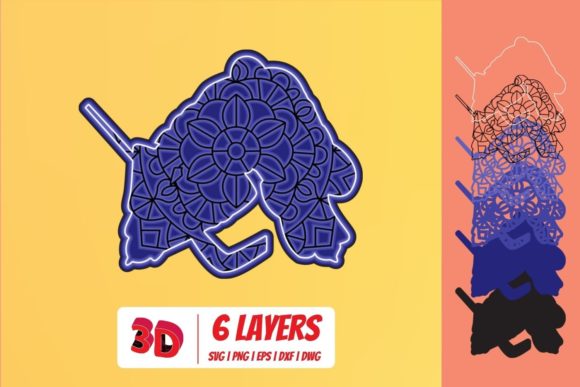
Review: Hockey Player 3D Layered SVG Cut File
As a designer who has spent years navigating the intersection of digital assets and physical textiles, I approach every new download with a critical eye. The market is flooded with generic vectors that look great on a screen but fall apart when translated into thread or vinyl. When I first opened the Hockey Player 3D Layered SVG Cut File, my immediate goal was to determine if this asset could survive the rigors of real-world application. Is it merely another clip art image, or does it possess the structural integrity required for high-quality custom apparel?
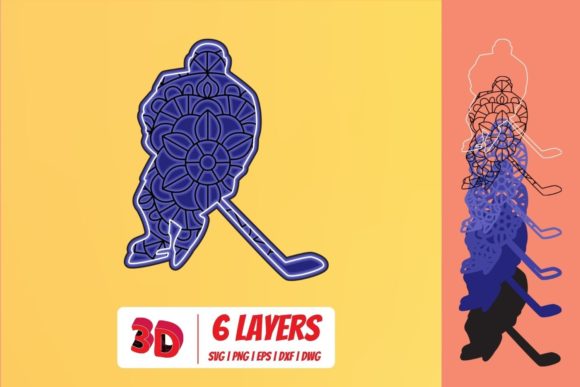
The initial visual impression is striking. The design leans heavily into the Shapes category, utilizing bold silhouettes to create depth without relying on excessive line work. This is crucial for embroidery. Many designs fail because they contain too many tiny details that get lost in the fabric weave. The Hockey Player 3D Layered SVG Cut File avoids this trap by using distinct layers to suggest dimension. The pose captures the dynamic motion of the sport, making it an ideal candidate for a sweatshirt embroidery project or a personalized gift for a young athlete.
From Digital File to Finished Product
To truly evaluate this asset, I imagined a specific scenario: creating a limited run of embroidered patches for a local youth hockey team's fundraiser. In this context, the Hockey Player 3D Layered SVG Cut File serves as the centerpiece. The layered nature of the file allows for creative manipulation. Instead of a flat, single-color print, I can visualize how different layers could be stitched with varying thread colors to enhance the three-dimensional effect.
For a small business owner or Etsy seller, the versatility of this file is its strongest selling point. If you are producing custom apparel, the clean lines of the player silhouette ensure that the final finished product remains recognizable even from a distance. Imagine a navy blue hoodie with the player rendered in white and red satin stitching. The contrast would pop, creating a professional look that commands attention. This is not just a decorative element; it is a branding tool that elevates the perceived value of your merchandise.
However, the transition from a digital embroidery file to a tangible item requires careful planning. The "3D" aspect mentioned in the title suggests layering. In an embroidery context, this often translates to either multi-layered applique or dense fill stitching. If you choose the applique route, the precision of the cut lines becomes paramount. The Hockey Player 3D Layered SVG Cut File provides the necessary vector data, but you must ensure your cutting machine or embroidery software interprets the layers correctly to prevent shifting during the sewing process.
Navigating Fabric and Hoop Challenges
While the design is robust, there are specific situations where caution is advised. One area of concern is the use of this design on textured fabrics like heavy fleece or ribbed knit. The fabric texture can interfere with the clarity of the smaller details in the player's gear, such as the stick blade or helmet visor. For these materials, I recommend simplifying the design slightly or increasing the stitch density to ensure coverage.
Another critical factor is the hoop size. The dynamic pose of the hockey player occupies a significant amount of space. If you attempt to stitch this on a small cap or a baby onesie, you risk distorting the proportions. Always check the dimensions before committing to a project. For curved surfaces like caps, the layering might require additional stabilizer to prevent puckering. A tear-away or cutaway stabilizer is essential here to maintain the shape of the design against the tension of the fabric.
Dark fabrics present their own challenges. While the design works beautifully on light backgrounds, placing it on black or dark gray material requires strategic color choices. You cannot simply use a white fill stitch everywhere. To maintain the 3D illusion, consider using gradient shades or metallic threads for highlights. Testing the design on scrap fabric first is non-negotiable. Print out a mockup in black and white to see how the values read before spending hours stitching or cutting expensive materials.
Strategic Use for Craft Businesses
For the craft business owner, the Hockey Player 3D Layered SVG Cut File opens up diverse revenue streams beyond standard t-shirts. Consider its application on tote bag design projects for sports camps or as a decorative accent on kitchen towels for game-day parties. The playful yet athletic nature of the image makes it suitable for holiday gifts, particularly for fathers, brothers, or sons who are passionate about the sport.
If you are selling digital product previews, the included formats—SVG, DXF, PNG, and EPS—are invaluable. The PNG files allow you to create high-quality printable mockups for your website or social media, giving customers a realistic idea of the final result. The SVG format ensures compatibility with major cutting platforms like Cricut Design Space and Silhouette Designer Edition, broadening your potential customer base to include DIY enthusiasts who may not own industrial machines.
However, always verify the licensing terms before selling finished items. As a professional, I know that using a design for personal projects differs significantly from commercial use. Ensure that the license for the Hockey Player 3D Layered SVG Cut File explicitly permits the creation of commercial embroidery products. Selling unauthorized goods can damage your brand reputation and lead to legal issues. Transparency with your customers regarding the quality and origin of your design assets builds trust and fosters long-term relationships.
Final Thoughts on Design Integrity
In conclusion, the Hockey Player 3D Layered SVG Cut File is a strong contender for designers looking to add sporty flair to their portfolio. Its strength lies in its clean geometry and adaptable layering, which translate well to both vinyl cuts and complex embroidery patterns. It excels in applications where boldness and recognition are key, such as team merchandise, personalized gifts, and boutique apparel.
Yet, success depends on execution. Pay close attention to thread colors, fabric selection, and stabilizer usage. Do not rush the testing phase. By treating this embroidery file with the respect it deserves and applying sound technical judgment, you can create handmade products that stand out in a crowded market. Whether you are a hobbyist making a one-off gift or a shop owner launching a new collection, this design offers the potential for professional results when handled with care.