Pineapple 3D Layered SVG Cut File: A Designer’s Real-World Embroidery Review
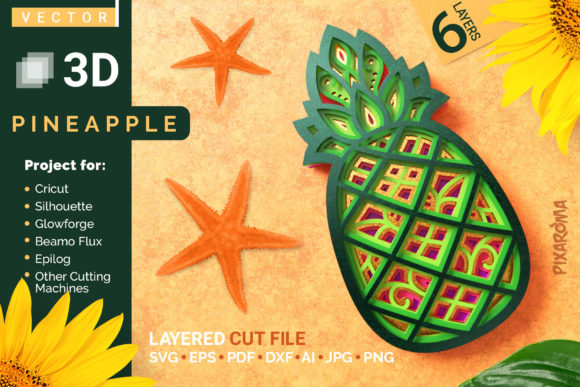
When I first opened the Pineapple 3D Layered SVG Cut File, I immediately thought of summer markets, tropical-themed baby gifts, and boutique tote bags. The design has a playful, warm personality—like a cheerful pineapple smiling back at you. It’s layered in a way that suggests depth without being overly complex, which makes it a strong contender for small-batch embroidered goods. The layers are clean, and the overall shape feels balanced, which is important when translating a digital file into stitched fabric.
I decided to test this design on a custom embroidered tote bag I was making for a client’s boutique launch. I wanted something fun, but still professional enough to represent a new brand. After converting the SVG into an embroidery file, I was curious how the 3D effect would hold up in thread. The design didn’t come with stitch counts or machine-specific instructions, so I had to rely on my usual embroidery settings and test it on scrap fabric first.
The first thing I noticed was how well the layers translated from paper to fabric. The Pineapple 3D Layered SVG Cut File has distinct sections that lend themselves to satin and fill stitches, giving the pineapple a dimensional look without overloading the design with tiny details. That’s a big plus for small hoop sizes and for embroiderers who don’t want to fuss with too many jump stitches or thread changes. It stitched cleanly on medium-weight cotton canvas, and the overall clarity of the pineapple shape remained intact.
I tried a few variations: one in bright yellow and green threads for a bold tropical look, and another in muted pastels for a baby shower tote. Both worked well. The design’s visual appeal holds up across color palettes, which is great for Etsy sellers or crafters who want to offer multiple options. I also tested it on a lightweight sweatshirt fabric and found that using a lightweight stabilizer helped prevent puckering. Without it, the texture of the fabric slightly distorted the finer layers.
One of the real-world applications I had in mind was for embroidered baby onesies. I knew the Pineapple 3D Layered SVG Cut File would need to scale down without losing its charm. At about 2.5 inches tall, the pineapple still looked cute and cohesive. The layers weren’t so intricate that they got lost in smaller sizes, which is a common issue with overly detailed embroidery files. That makes this design a solid choice for baby embroidery or personalized gifts where size flexibility is key.
I also tested it on a curved surface—specifically, a baseball cap. This is always a tricky spot for embroidery because of the tension and shape. The Pineapple 3D Layered SVG Cut File held up reasonably well, but I did notice that the bottom layer (the base of the pineapple) needed extra stabilization to keep from distorting. For Etsy sellers or small shop owners offering embroidered caps, this is something to keep in mind before listing the design as “cap-ready.”
Another use case I explored was a holiday-themed sweatshirt. I changed the leaf color to red and stitched it on a navy sweatshirt for a festive twist. The result was surprisingly versatile. The original file didn’t include any text or seasonal elements, but that’s actually a benefit—it gives designers the freedom to customize it for different occasions. Whether it’s a summer tote, a Christmas sweater, or a baby shower bib, the Pineapple 3D Layered SVG Cut File adapts well.
From a commercial embroidery perspective, this design could work well for small-batch production. It’s not overly dense, which helps with stitch time and thread usage. However, I’d recommend checking stitch density if you’re using it on stretchy or textured fabrics. Dense satin stitches can pull at knits or create unwanted tension on curved surfaces like sleeves or hems.
If you’re an embroidery designer or digital product seller, it’s also worth considering how this design will present in mockups. The Pineapple 3D Layered SVG Cut File looks great in both light and dark fabric simulations. I tested it in black and white mockups for a minimalist look and found it still read clearly, which is helpful for digital product previews or print-on-demand listings.
For small business owners or Etsy sellers, this design could be a nice addition to a tropical or summer-themed collection. It’s simple enough to stitch quickly, but distinctive enough to stand out in a sea of generic pineapple designs. I can see it working well as a featured design on tote bags, tea towels, or embroidered patches. It also has potential as part of a layered nursery decor set or personalized gift line.
That said, there are a few things to watch for. The design’s layered effect might not be ideal for very thin or stretchy fabrics unless you use the right stabilizer. Also, if you’re planning to embroider it on dark fabric, test thread contrast carefully—some of the lighter layers can get lost if the color choice isn’t right. And if you’re selling finished items or digital embroidery files, always double-check the licensing for the Pineapple 3D Layered SVG Cut File to ensure it allows for commercial use.
Overall, this is a well-structured design that translates nicely from digital file to real-world embroidery. It’s not overly technical, but it still offers enough visual interest to make a handmade product feel special. Whether you’re an embroidery hobbyist or a small shop owner, the Pineapple 3D Layered SVG Cut File has enough flexibility and charm to earn a spot in your design toolkit—just be sure to test it in your intended use case before production.