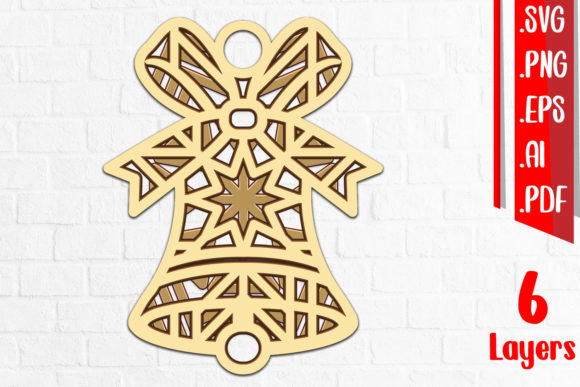
3D Bell Layered Cut Files: A Designer Review
As a designer who has spent years navigating the intersection of digital assets and physical stitching, I approach every new file with a critical eye. The market is flooded with generic shapes, but finding a machine embroidery design that translates well from screen to fabric is a different challenge entirely. Recently, I evaluated the 3D Bell Layered Cut Files, a digital asset marketed as a versatile tool for holiday projects. Before I would recommend this to my network of Etsy sellers or fellow craft business owners, I needed to understand how it performs in real-world scenarios. Does it hold up under the scrutiny of a professional hoop, or does it fall apart when you try to stitch it onto a textured garment?
The Visual Promise of Layered Depth
The first impression of the 3D Bell Layered Cut Files is one of classic holiday cheer with a modern twist. Unlike flat, single-layer silhouettes that often look dated on high-end custom apparel, this design utilizes multiple layers to create depth. In a digital product preview or a printable mockup, the separation between the bell body, the clapper, and the ribbon suggests a rich, dimensional finish. For a Christmas collection, visual impact is everything. Customers scanning through a shop window or an online store need to see something that pops.
However, the transition from a 3D SVG file to a stitched reality requires careful planning. The layered nature implies that if you are using this for an applique design, the registration must be perfect. If you are converting these layers into a standard embroidery file for satin or fill stitches, the spacing between the elements becomes critical. Too much space, and the design looks disjointed; too little, and the thread density can cause puckering on delicate fabrics. The visual personality here is festive and bold, making it ideal for statement pieces rather than subtle accents.
Testing the Design in Real Projects
To truly judge the utility of these files, I imagined a specific scenario: preparing a limited run of personalized tote bag designs for a local craft fair. Tote bags are a staple for small shop products, but they present unique challenges due to their fabric weight and texture. When I visualized the 3D Bell Layered Cut Files on a natural cotton canvas, the potential became clear. The larger bell shape works beautifully as a central motif, anchoring the design without overwhelming the bag's surface area.
I also considered its application on sweatshirt embroidery. Holiday sweatshirts are a high-volume item for apparel decorators. The rounded curves of the bell in this design are forgiving on the slight stretch of fleece or jersey knit. However, the "3D" aspect relies heavily on how you execute the layers. If you plan to use fill stitch for the main body and satin stitch for the outlines, the contrast will give that coveted raised effect. This makes the finished product feel premium, increasing customer trust and perceived value. A well-executed holiday embroidery piece like this can command a higher price point than a simple printed graphic.
For those creating personalized gifts, such as a baby embroidery project or a nursery blanket, the softness of the bell shape is a plus. It avoids sharp angles that might irritate sensitive skin, though you must always ensure the backing is smooth. The design fits naturally into a pillow cover layout or even as an embroidered patch for denim jackets. The versatility of the file formats included—AI, EPS, SVG, PDF, PNG—means you have the flexibility to adapt the design for various mediums, whether you are cutting vinyl for heat transfer or digitizing for a sewing machine.
Navigating Technical Challenges
Despite the strong aesthetic appeal, there are areas where caution is required. As an experienced reviewer, I cannot stress enough the importance of testing your stitch density before committing to a full production run. The intricate details in the layered sections of the 3D Bell Layered Cut Files could become muddy if the hoop size is too small. If you attempt to shrink this design to fit a 4x4 inch hoop for a cap or a sock, the fine lines may merge, losing the intended 3D effect.
Fabric choice is another critical factor. On textured fabrics like heavy wool or thick towels, the precision of the layers might get lost in the weave. Similarly, on very thin or stretchy fabric, the tension required to pull the thread through dense areas could distort the shape. I strongly advise using a high-quality stabilizer to maintain the integrity of the bell's form. Without proper support, the edges of the layers may curl or pucker, ruining the clean look of the finished product.
Furthermore, consider the background color. While the design looks crisp on light backgrounds, placing it on dark fabric requires a different approach. You may need to add a layer of white thread colors underneath or use a cutwork technique to reveal the dark fabric beneath, which adds complexity to the embroidery project. Always test the design on scrap fabric first to check how the running stitch and fill patterns interact with your specific material.
Strategic Advice for Business Owners
For the creative entrepreneur looking to expand their catalog, the 3D Bell Layered Cut Files offer a solid foundation for commercial embroidery. However, success lies in the execution. Do not simply download and stitch. Take the time to review the design assets in black and white mockups to ensure the contrast works before spending hours on the machine. Compare how the design sits on both light and dark swatches to determine your best selling combinations.
Licensing is also a non-negotiable step. Since this is an instant digital download, verify the terms regarding commercial use. Can you sell the physical items? Can you resell the digital file itself? Understanding these boundaries protects your craft business from legal issues. Once cleared, this design can serve as a hero image for your Etsy listings, drawing attention with its festive charm.
In conclusion, the 3D Bell Layered Cut Files represent a thoughtful addition to a designer's toolkit for the holiday season. They bridge the gap between simple clip art and complex custom work. By respecting the technical requirements of machine embroidery and choosing the right applications, you can transform this digital file into a tangible, high-quality handmade product that customers will love. Whether you are decorating a kitchen towel, a boutique apron, or a family heirloom, the key is to treat the design with the care it deserves, ensuring every stitch contributes to a professional and polished result.